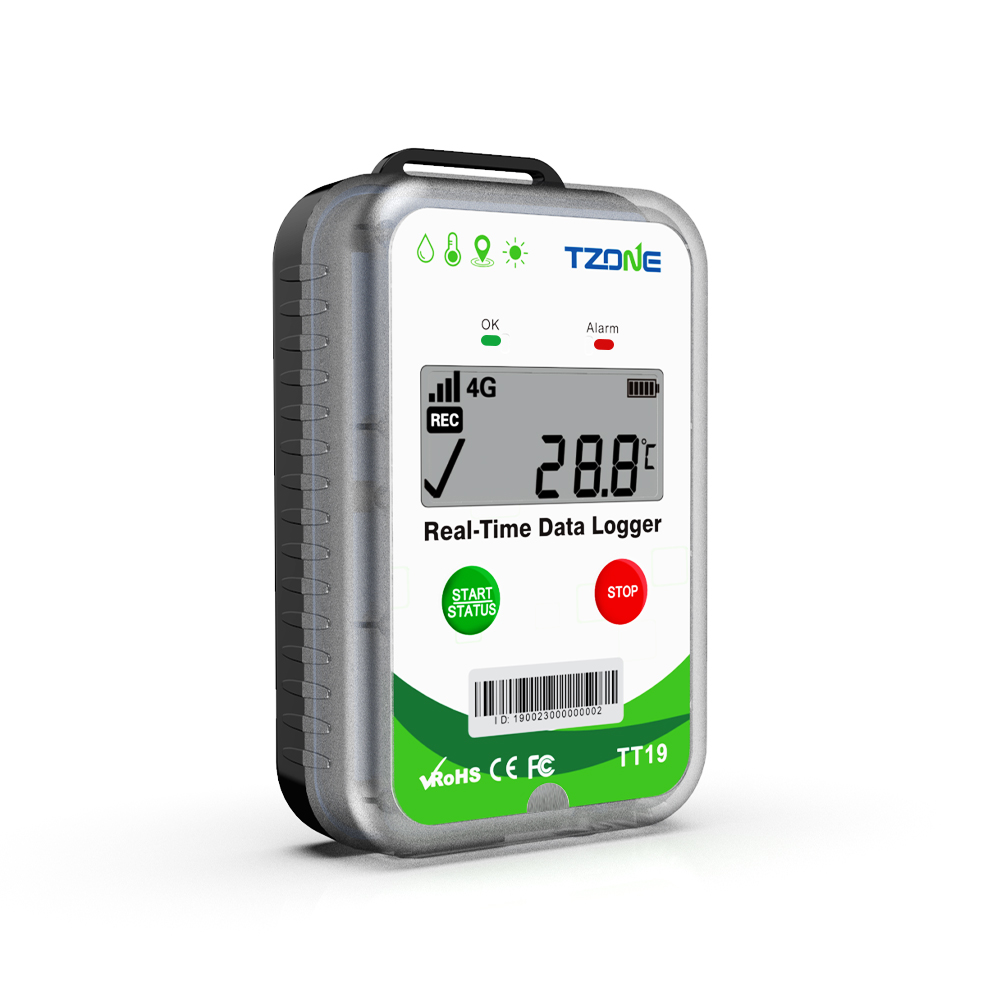
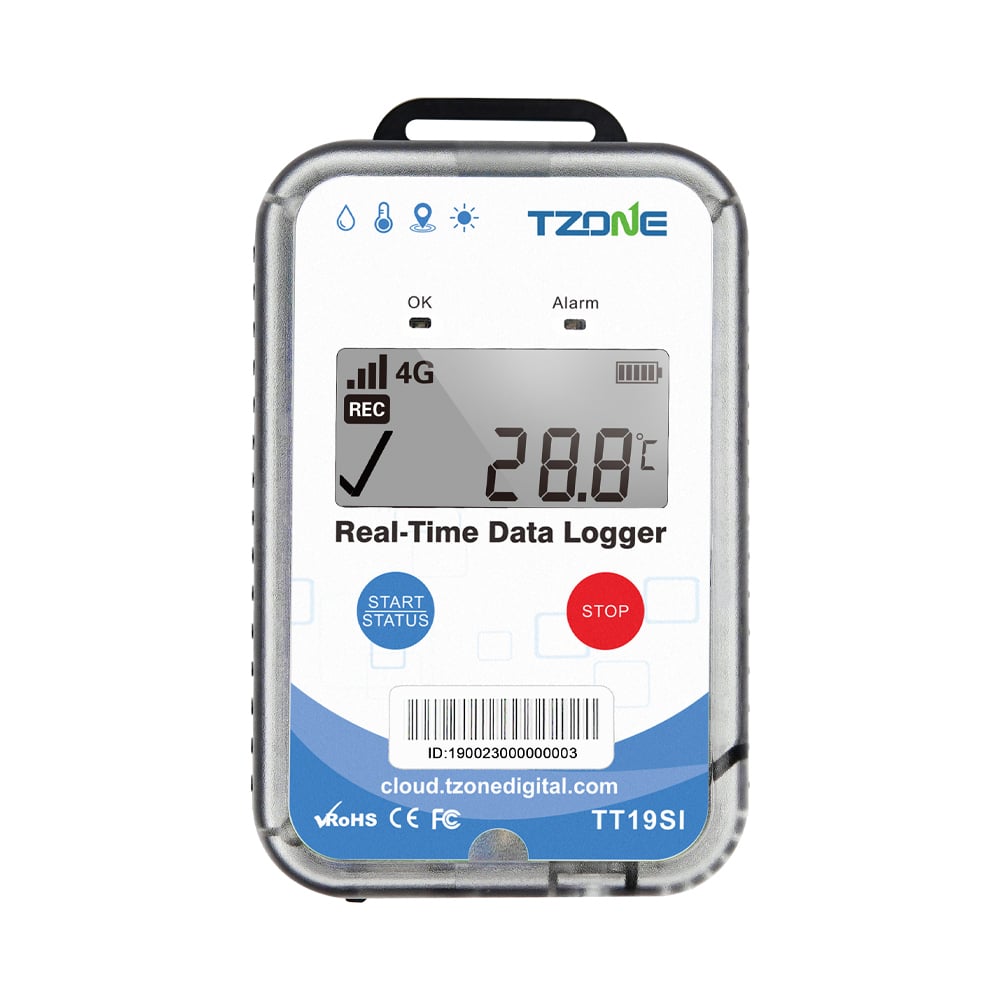
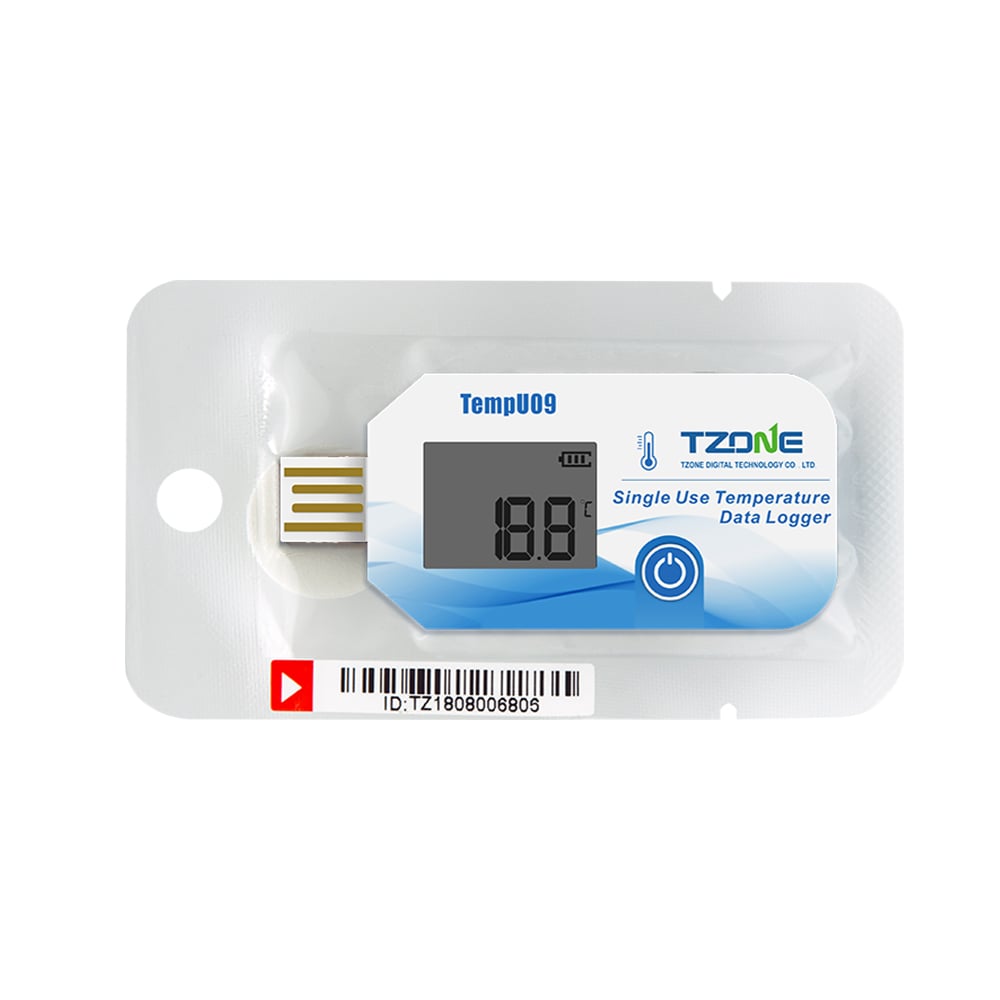
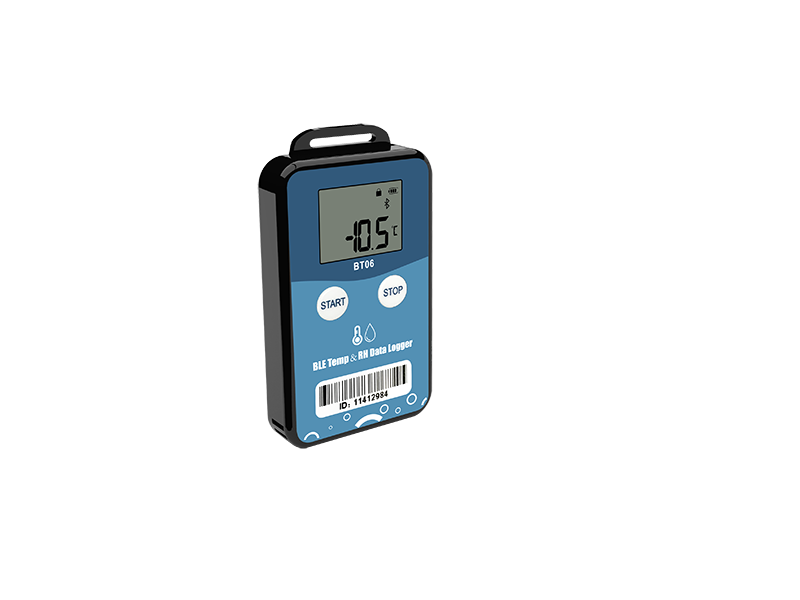
Alarm-equipped data loggers are essential for preventing product spoilage by constantly monitoring temperature fluctuations in sensitive environments such as hospitals, laboratories, and food storage facilities. Their ability to provide continuous feedback on temperature deviations enables timely interventions, safeguarding high-value goods. The FDA reports that inadequate temperature control accounts for significant financial losses, underscoring the importance of stringent monitoring. Evidence from case studies, such as Gold Coast Oyster's utilization of temperature data loggers, highlights their efficacy in preserving seafood during harvesting and transport, reinforcing their role in maintaining product quality. Data loggers serve not only as preventive tools but also as tangible records for FDA compliance, ensuring products remain safe for consumption.
In industries like pharmaceuticals and food, compliance with stringent regulations such as FDA, cGMP, and HACCP is paramount. Alarm-equipped temperature data loggers help maintain compliance by ensuring continuous temperature monitoring, which is a regulatory necessity. These devices protect companies from potential legal penalties, such as recalls and fines, by logging temperature data throughout the supply chain. Regulatory bodies, including the FDA, emphasize the importance of maintaining accurate temperature records to safeguard consumer health and ensure product integrity. By employing advanced temperature data loggers, companies can avoid breaches and ensure their products meet regulatory standards, mitigating risks related to non-compliance.
Threshold alerts in data loggers offer real-time monitoring capabilities, allowing immediate intervention to prevent temperature breaches. These alerts can be configured to send notifications via SMS or integrate with existing data logger software, enabling swift action to rectify potential issues. Industries such as food and pharmaceuticals have benefited from these technologies, safeguarding critical assets through proactive management of environmental conditions. For instance, Gold Coast Oyster uses such technologies to monitor temperature during transport, ensuring safe conditions for their shellfish products. By providing real-time data and actionable insights, these devices enhance operational efficiency and protection of sensitive goods.
Multi-stage alarm systems constitute the backbone of effective temperature monitoring by escalating alerts as temperature deviations worsen. These systems employ both audible alarms, like sirens or beeps, and visual alarms such as flashing lights to ensure staff members are quickly notified of any issue, regardless of their location or sensory modality. In high-stakes environments, such as pharmaceutical labs or food storage facilities, this dual notification approach is crucial for rapid intervention, minimizing loss. Industry standards, including FDA guidelines for food and drug safety, often mandate the integration of multi-tiered alarm systems within temperature monitoring equipment, underscoring their importance in maintaining regulatory compliance and operational safety.
NIST-calibrated sensors are pivotal in achieving clinical-grade accuracy, essential for sensitive applications like healthcare and pharmaceuticals. National Institute of Standards and Technology (NIST) calibration ensures that sensors provide highly precise temperature readings, vital for patient safety and the efficacy of temperature-sensitive medications. Scientific studies underline that even slight inaccuracies in temperature measurements can lead to significant risks, such as compromised drug effectiveness. Common NIST calibration procedures involve comparing a device's readings with a NIST-traceable standard, reinforcing the device's reliability for clinical applications.
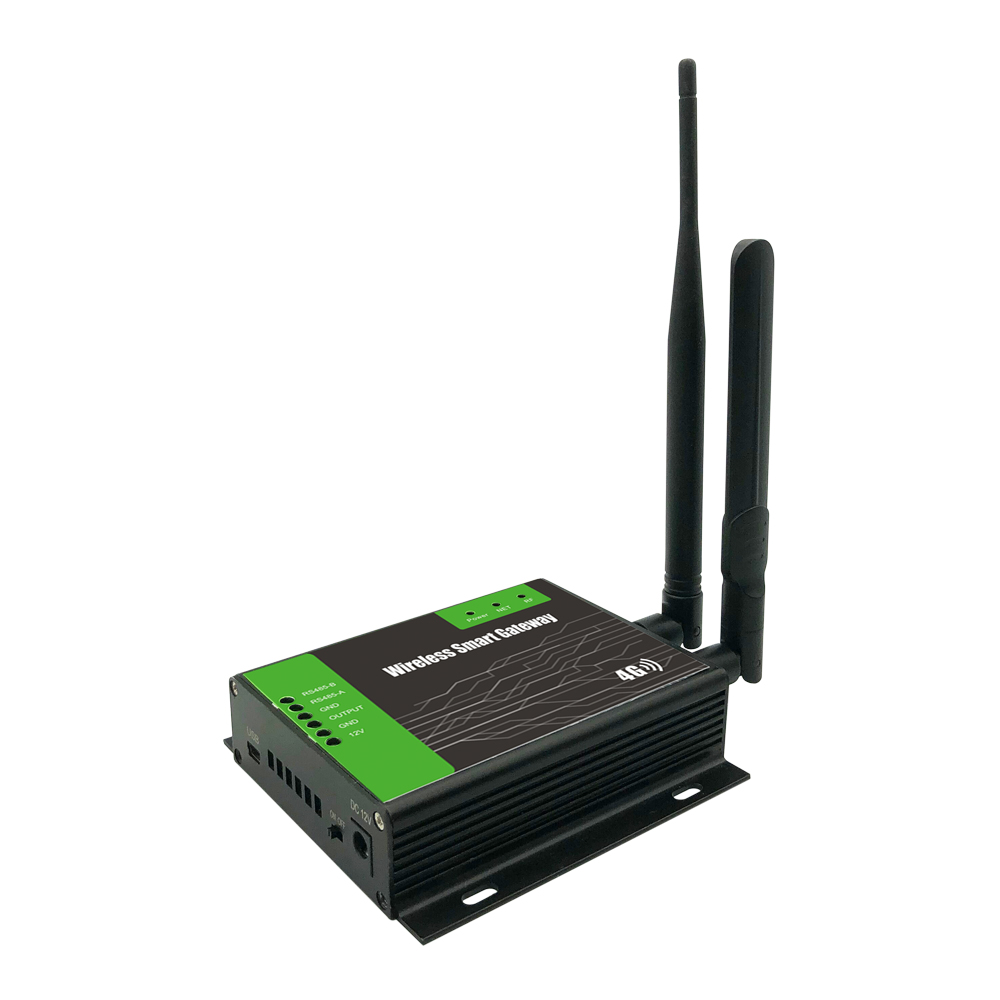
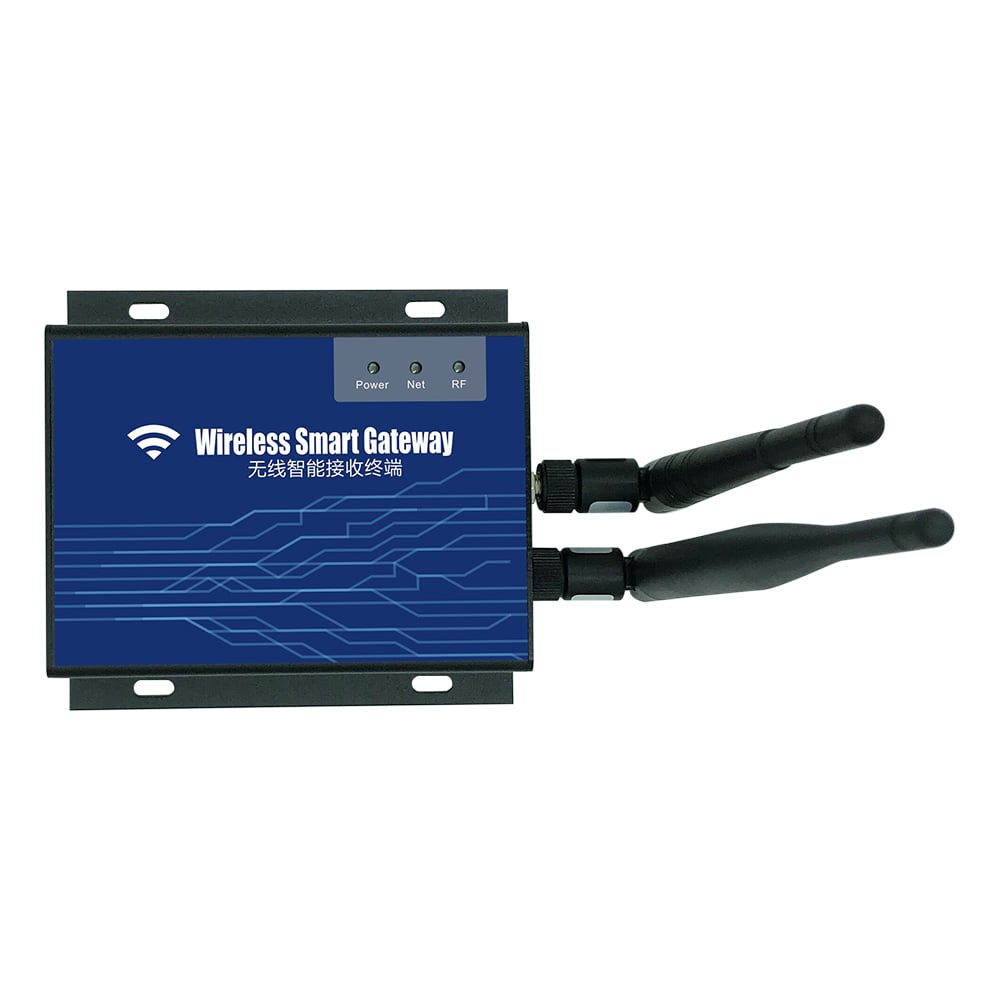
Wireless technology in data loggers offers profound advantages, enabling seamless installation and continuous, real-time data access from remote locations. This feature is crucial in industries like pharmaceuticals and food services, where maintaining strict temperature controls is non-negotiable. Remote monitoring capabilities allow for swift interventions in case of temperature fluctuations, significantly reducing spoilage and preserving product integrity. However, the security of wireless data transmission is a priority, necessitating robust encryption and secure storage solutions to protect sensitive data from unauthorized access and breaches.
Integrating data loggers with comprehensive software for trend analysis provides significant operational benefits. This integration enables the identification of patterns in temperature fluctuations, facilitating preemptive measures against potential issues. Enhanced data analysis can lead to improved efficiency by optimizing temperature controls and reducing waste. Various software solutions, like cloud-based platforms, offer advanced analytics, delivering insights that aid in operational decision-making. Such systems are becoming essential tools for industries reliant on precise temperature management, offering a strategic advantage in maintaining product quality and compliance.
Temperature and humidity monitoring is crucial for maintaining vaccine efficacy during storage. The World Health Organization (WHO) estimates that approximately 50% of vaccines are wasted globally each year, partly due to inadequate temperature control. Temperature humidity data loggers play a vital role in mitigating these risks by providing real-time monitoring and alerts for any variations outside the acceptable range, ensuring the integrity of temperature-sensitive products. Successful vaccine tracking systems utilizing data loggers have reported significant reductions in vaccine waste, safeguarding both public health and financial investments.
Ensuring proper temperature conditions during food transport is critical to maintain the cold chain for perishable goods. Data loggers enable continuous temperature monitoring from farm to table, ensuring compliance with safety standards. Industry statistics reveal that food spoilage accounts for a loss of approximately $37 billion annually in the U.S. alone. Implementing reliable data monitoring systems helps reduce these losses and ensures the delivery of fresh, safe products to consumers. Using data loggers in logistics empowers businesses to monitor each shipment's temperature in real time, ensuring quality and compliance throughout the supply chain.
Temperature data loggers are essential in ensuring laboratory equipment functions correctly. Failure to maintain equipment within specified temperature ranges can lead to inaccurate research results and costly repercussions. For example, certain laboratory standards, such as those established by ISO 17025, require precise temperature control for equipment to meet regulatory compliance. By continuously monitoring and documenting equipment temperatures, data loggers help laboratories maintain operational integrity, ensuring that experiments yield credible and reproducible results.
Temperature data loggers are invaluable in assessing HVAC system performance. They gather data crucial for optimizing energy efficiency and ensuring occupant comfort. Industries ranging from commercial real estate to manufacturing rely on data loggers to validate HVAC systems, identifying opportunities for energy savings and improved environmental conditions. By analyzing the recorded data, facilities can make informed adjustments to enhance system performance, reduce energy consumption, and ensure consistent comfort levels for building occupants.
When selecting a data logger, calibration certificates play a pivotal role in ensuring the equipment's reliability and precision. These certificates validate that the data logger meets specific standards of accuracy, which is crucial for applications requiring precise temperature monitoring. ISO standards, particularly ISO/IEC 17025, are essential benchmarks for laboratory calibration, ensuring that data loggers are fit for their intended purposes. For example, companies like Thermo Fisher adhere to these standards, reinforcing the trust in their temperature data logging equipment. By choosing data loggers with these certifications, businesses can ensure compliance and accuracy in their monitoring processes.
The balance between battery life and logging intervals is crucial when choosing a data logger. Shorter logging intervals provide more frequent data points but drain batteries faster, necessitating a careful evaluation based on specific application needs. Typically, data loggers can last anywhere from several months to over a year, depending on the frequency of data recording. Advancements in battery technology, such as lithium-ion options, have extended operational times significantly, allowing for more flexibility in monitoring strategies. This ensures that critical data isn't missed while maintaining efficient energy use.
When deciding between internal memory and cloud storage for data loggers, it is vital to weigh the pros and cons of each option. Internal memory offers quick access to logged data but may present challenges in data backup and recovery. Cloud storage, on the other hand, facilitates easy data retrieval and enhanced security features, though it requires a reliable internet connection. Recent trends indicate a growing preference for cloud storage, particularly for its capacity to support seamless data sharing and backup. Understanding these differences helps tailor data logging solutions to individual business requirements effectively.
IP ratings are critical in determining a data logger's suitability for harsh environments like manufacturing facilities or outdoor settings. These ratings indicate the level of protection against dust and water, with higher numbers signifying better resistance. For instance, an IP67-rated device is resistant to dust and can withstand immersion in water, making it ideal for challenging environments. Practical examples include water ingress in data loggers within industrial settings due to inadequate IP ratings, underscoring the importance of selecting appropriate devices. Consequently, IP ratings serve as a vital criteria in ensuring data logger durability and functionality in varied operating conditions.
The integration of the Internet of Things (IoT) in wireless data loggers is transforming temperature monitoring by enhancing connectivity and accessibility. IoT-enabled devices offer automated alerts and seamless data sharing across platforms, significantly boosting efficiency. This connectivity ensures that any temperature anomalies are detected in real-time, allowing for prompt corrective actions. Noteworthy examples include data loggers equipped with Wi-Fi or cellular capabilities, which can autonomously communicate environmental conditions to central systems or cloud storage. These advancements are crucial in industries like biopharmaceuticals, where maintaining precise environmental conditions is paramount for product integrity and safety.
Artificial Intelligence (AI) is reshaping temperature monitoring through predictive analytics, enabling preemptive actions against possible deviations. By analyzing historical temperature data, AI can forecast potential excursions, thus enhancing risk management and compliance. For instance, companies employing AI in their monitoring systems report improved control over temperature-sensitive items, minimizing spoilage and compliance breaches. Implementing AI-powered analytics can lead to better proactive strategies, ensuring that operational disruptions are minimized, adherence to regulatory standards is maintained, and overall reliability of temperature-controlled environments is enhanced.
Emerging technologies in temperature monitoring are increasingly focusing on sustainability and energy efficiency. Low-power monitoring solutions not only reduce the ecological footprint but also significantly decrease operational costs. These technologies often employ advanced battery systems and power-efficient components to extend device life without sacrificing functionality. For example, solar-powered data loggers are gaining popularity in remote monitoring applications due to their ability to operate autonomously. The shift towards sustainable practices within the data logging industry highlights a commitment to reducing environmental impact while maintaining high-performance standards in temperature monitoring.
 Hot News
 EN
EN
 AR
AR
 FR
FR
 PT
PT
 RU
RU
 ES
ES